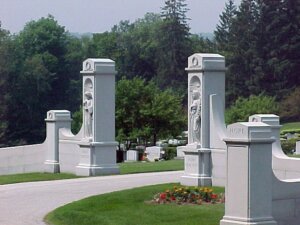
Hope Cemetery: A Living Museum of Granite Memorial Art
Tucked into the granite-rich hills of Barre, Vermont, Hope Cemetery stands as one of the most remarkable expressions of memorial art in the United States. Often described as an open-air museum, this historic cemetery offers a quiet, reflective walk through a landscape where stonework, history, and remembrance come together in extraordinary detail. Each monument tells a story—of individuals, families, and a community shaped by craftsmanship and legacy.
The Granite Legacy of Barre, Vermont
Barre’s identity as the “Granite Capital of the World” is deeply embedded in the cemetery’s design and character. The surrounding quarries provided the material, but it was skilled stonecutters and artisans who transformed granite into lasting works of art.
During the late 19th and early 20th centuries, many of these craftsmen arrived from Europe—particularly Italy, Scotland, and Ireland—bringing generations of stone carving traditions with them. Their influence helped shape American memorial design through symbolism, exceptional detail, and expressive craftsmanship that can still be admired throughout Hope Cemetery today.
Where Every Monument Tells a Story
Walking through Hope Cemetery feels like moving through an outdoor gallery shaped by memory and stone. Elaborate family monuments, symbolic carvings, and finely sculpted memorials rise from the landscape in quiet harmony.
Rather than rows of identical markers, the cemetery reflects a time when memorialization was deeply personal and often artistically commissioned. Each granite monument was created not only to mark a life but to tell its story.
A Tradition Shared by America’s Historic Cemeteries
Hope Cemetery is part of a broader tradition found across many of America’s most historic cemeteries. Places such as Green-Wood Cemetery in New York, Mount Auburn Cemetery in Massachusetts, and Graceland Cemetery in Illinois were all established during an era when memorial design celebrated sculpture, symbolism, and exceptional craftsmanship.
These cemeteries became cultural landscapes where art and remembrance were intentionally intertwined, preserving both personal stories and artistic heritage.
European Craftsmanship That Shaped American Memorial Design
Throughout many historic cemeteries, European-trained stonecutters played an important role in defining the look of American memorials. Their techniques introduced classical architecture, religious symbolism, and intricate sculptural detail that elevated granite monuments into enduring works of art.
Over time, these cemeteries became more than burial grounds—they evolved into lasting reflections of cultural identity, craftsmanship, and history.
The Shift Toward Modern Memorial Parks
As the United States expanded westward, cemetery design gradually changed. Many memorial parks on the West Coast embraced broad lawns, simpler markers, and landscape-focused layouts. These designs emphasized open space and ease of maintenance over individualized sculpture and ornate memorials.
While meaningful in their own way, these modern memorial parks represent a distinct departure from the richly artistic traditions found in many historic cemeteries throughout the East and Midwest.
Why Hope Cemetery Continues to Inspire
This contrast makes Hope Cemetery especially significant today. It preserves a remarkable tradition of granite craftsmanship, where stone was shaped not only for function but for meaning. Every monument reflects a time when remembrance was expressed through artistry, thoughtful design, and enduring craftsmanship.
Visiting Hope Cemetery is more than a historical experience. It is an opportunity to connect with legacy, artistry, and the timeless skill of the craftsmen who transformed granite into lasting memorials.
The traditions preserved at Hope Cemetery continue to inspire monument builders today, reminding us that the finest memorials are those that honor both the life they represent and the craftsmanship that brings them to stone.